What Actually Makes a Long Drive Comfortable
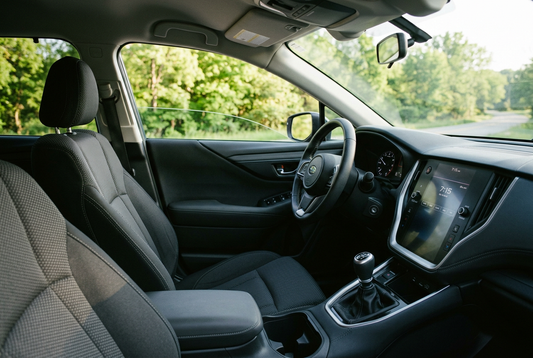
Comfort on a long road trip is rarely won or lost hundreds of miles down the highway. In reality, it is mostly decided in the first ten minutes, before you even leave your driveway. The way your seat is adjusted, where your mirrors point, how cabin air moves, and whether loose items slide in the footwell set the tone for the entire journey. Fatigue behind the wheel builds quietly from minor physical tensions. The key to staying fresh is sorting out the basics before adding accessories to the mix.

Dialing in Seat and Steering Geometry
Most drivers adjust their seat when they first get a car and never revisit it. Over time, that initial setup slips into a slouch or cramped posture that works for a quick errand but feels grueling after hours on the highway.
Start with pedal distance. When pressing the brake pedal to the floor, your knee should keep a slight bend. If your leg is fully straightened, you will slide your hips forward to reach the pedals, flattening your lower back. Sitting too close bunches your thighs and tires your ankles.
Next is backrest angle. Leaning back like you are on a sofa forces your neck and shoulders forward so your eyes stay on the road. Aim for a near-upright angle with just a slight tilt backward. This lets the seat back carry your torso's weight evenly without pushing your head out of alignment.
If your car offers seat height and cushion tilt, raise the seat so you have a clean view over the hood while leaving clear space between your thighs and the wheel. The front cushion edge should support your thighs without pressing hard behind your knees.
Finally, adjust the steering wheel. Pull the wheel toward you so that with your shoulders resting against the seat back, your wrists drape comfortably over the top of the rim. Once the seat and wheel are set, re-align your mirrors; shifting your seating position moves your line of sight.

Small Habits That Keep Posture Level
Even a well-adjusted seat cannot counteract uneven daily habits. The most common culprit is driving with a thick wallet, phone, or keys in your back pocket. Sitting on even a slight wedge tilts your pelvis, forcing your lower back into an awkward curve for hours. Place pocket items in the console before clicking your seatbelt.
Footwear matters over distance too. Heavy boots with rigid soles or shoes with raised heels place your ankles at an unnatural angle. Lightweight, flat shoes with flexible soles provide better pedal feel and allow your foot to pivot smoothly without straining your calves.
Clothing also plays a quiet role. Choose breathable fabrics with flexible waistbands. Stiff denim seams or bulky belt buckles can press into your waist when seated for extended stretches, creating friction that wears on you over time.
Managing the Cabin Environment
Seating geometry is only part of the equation; the sensory environment inside the vehicle dictates how alert and calm you feel.
Airflow and temperature deserve close attention. A warm cabin brings on drowsiness quickly. Keep cabin temperature slightly cooler than room temperature to stay alert. Aim vents toward the roof or footwells to keep air circulating, rather than pointing dry air straight at your eyes. Every hour or two, turn off recirculation or crack a window briefly to introduce fresh air.
Visual strain is another hidden drain on energy. Clean your windshield inside and out before departing; a hazy film on interior glass causes severe glare in low sun. Keep polarized sunglasses handy to cut road reflection. After dark, dim dashboard lighting to minimize glare and help your eyes stay adjusted to the road.
Lastly, tame cabin clutter. Loose bottles in door bins create subtle annoyance. Secure cargo in the trunk, keep footwells clean, and place essentials like water, sunglasses, and charging cables within easy reach without stretching.

The Two-Hour Rhythm and Hydration
The most reliable comfort upgrade costs nothing at all: regular, scheduled breaks. Plan to step out of the car roughly every two hours, whether you need fuel or not.
A quick ten-minute break resets your physical state. Walk around, stretch your calves, roll your shoulders, and let your eyes relax on distant scenery. Scheduling stops in advance keeps you from pushing through when focus begins to fade.
Pair breaks with balanced nutrition. Heavy roadside meals usually cause an afternoon slump. Choose lighter snacks, nuts, or fruit that provide steady energy. While it is tempting to limit water to avoid bathroom stops, mild dehydration is a frequent cause of tiredness. Sip clean water consistently throughout the trip.
Where Thoughtful Accessories Fit In
Once seat geometry and cabin conditions are sorted, targeted interior accessories can fill the gaps left by standard automotive seating.
Factory seats are molded around broad templates, meaning they rarely contact every contour of your back and neck. A neck pillow attached around the headrest with an elastic strap cushions the open space between your upper neck and the seat. Proportion is key: the pillow should softly support without nudging your head forward.
A standalone lumbar cushion rests naturally against the lower seat back to support the natural curve of your lower spine. Because factory seats vary in depth, a cushion that rests freely allows you to place it exactly where needed without complex clips or straps. Opt for modest, resilient cushioning rather than overly thick padding that shoves your hips forward.
Materials make a tangible difference. A smooth leather-style cover looks clean, matches automotive interiors, and wipes down easily after dusty trips. Inside, a soft, breathable fiber fill offers compliant support that stays comfortable across varying cabin temperatures without trapping heat during warm drives.
Keep realistic expectations: interior cushions are designed for everyday comfort and reducing travel stiffness. They are personal comfort items, not medical equipment. If you experience persistent back or neck pain, that warrants consulting a healthcare professional rather than relying on a car cushion.
Tailoring Comfort for Drivers and Passengers
Comfort needs vary depending on where you sit. The driver must maintain a steady, attentive posture with easy reach to controls, making seat distance, clear footwells, and lower-back contact top priorities.
Passengers have the freedom to lean back and rest. For them, a headrest neck pillow is especially enjoyable during long highway stretches. For passengers in the rear, window shades and organized seat-back storage make the trip smoother for everyone on board.
Before heading out, take five minutes for a quick pre-trip check: confirm tire pressures, clean your glass, mount your phone in your normal eyeline, and check that your seat and cushions are positioned properly. True long-distance comfort is not about a single miracle purchase. It comes from an attentive setup, a calm cabin, consistent breaks, and a few well-chosen accessories that suit how you drive.
Previous
How to Give Your Car Interior a Refresh in One Weekend
Next
Vent Diffuser vs Hanging Air Freshener: Which One Suits Your Car?